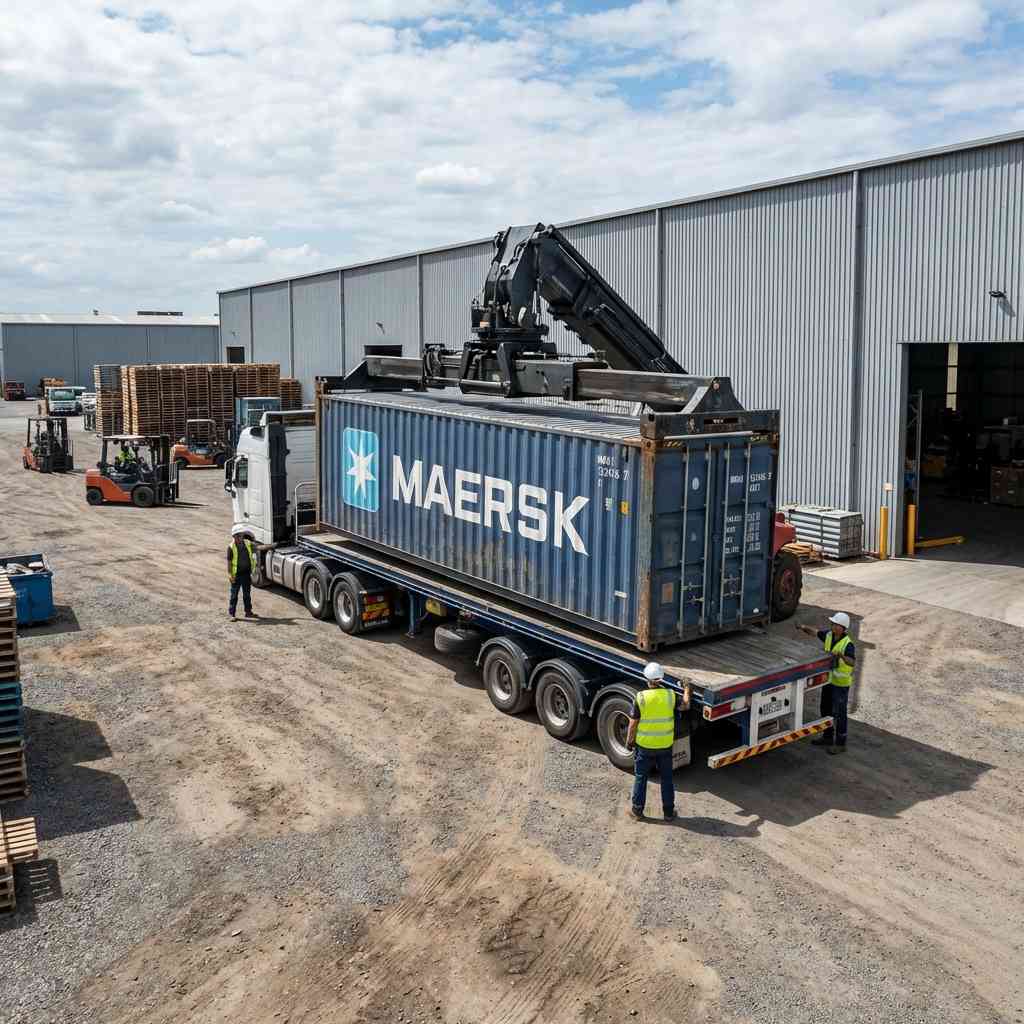
Delivery Guidelines
Everything you need to know to prepare for a smooth, hassle-free container delivery experience.
Planning Your Container Delivery
Receiving a shipping container at your home or business is an exciting step toward gaining secure, weatherproof storage. However, proper preparation is essential to ensure a seamless delivery process. Our professional drivers handle hundreds of deliveries each month, and they've helped us identify the key factors that make the difference between a quick drop-off and a complicated situation.
This comprehensive guide covers everything from space requirements and ground conditions to road access and what to expect on delivery day. Taking a few minutes to review these guidelines now can save you time, money, and potential headaches later.
10,000+
Successful Deliveries
Space & Clearance Requirements
Understanding the space needed for both the delivery truck and your container ensures a smooth drop-off process.
20-Foot Container Requirements
A standard 20-foot shipping container measures approximately 20 feet long, 8 feet wide, and 8.5 feet tall. While the container itself is compact, the delivery process requires significantly more space for the truck to maneuver and position the unit properly.
- Forward Clearance: Minimum 80-100 feet of straight, unobstructed space in front of the drop location for the truck to back in and slide the container off.
- Road Height: At least 16 feet of vertical clearance along the entire access route to accommodate the truck and loaded container.
- Path Width: 12-14 feet of horizontal clearance for the delivery vehicle to navigate safely without damaging property.
- Drop Zone Height: 16 feet of overhead clearance at the final placement location to allow the truck bed to tilt.
40-Foot Container Requirements
A 40-foot container provides twice the storage capacity but requires additional maneuvering space due to its length. These larger units are transported on extended trailers, which have a wider turning radius and need more room to operate safely.
- Forward Clearance: Minimum 100-125 feet of straight space is essential for the longer trailer to position and unload properly.
- Road Height: Same 16-foot minimum vertical clearance applies throughout the delivery route.
- Path Width: 12-14 feet of side clearance, with extra caution needed around tight corners and narrow passages.
- Turning Radius: Sharp corners require approximately 125 feet of clearance for the extended trailer to navigate.
Road & Access Requirements
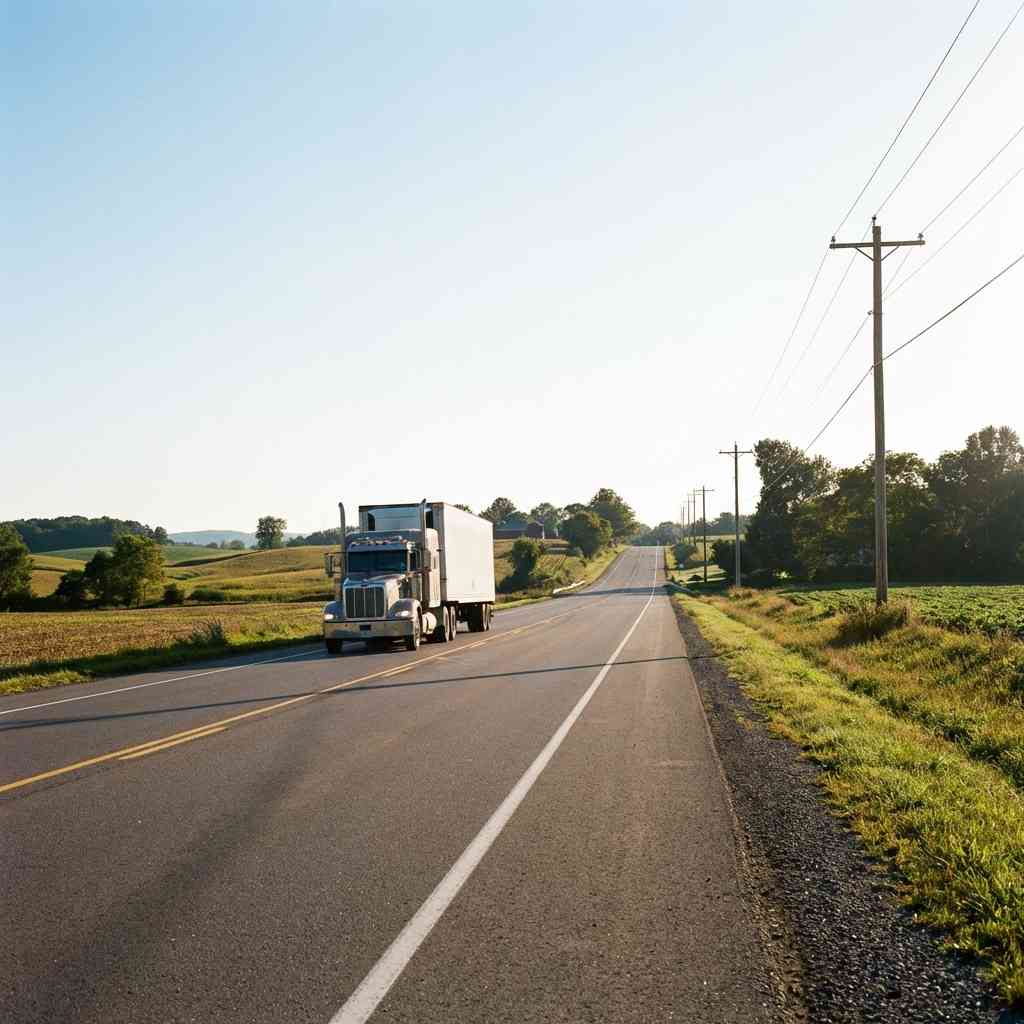
Your access road plays a critical role in determining whether delivery can proceed smoothly. Our trucks are heavy-duty commercial vehicles that require stable, well-maintained surfaces to operate safely. Before scheduling delivery, we recommend walking or driving the route yourself to identify any potential obstacles.
Unpaved & Rough Surfaces
Gravel, dirt, or deteriorated roads may not support our heavy equipment. Soft or muddy conditions can cause trucks to become stuck, potentially requiring expensive towing services.
Overhead Obstructions
Anything below 14 feet overhead poses a problem — this includes utility lines, tree branches, awnings, covered bridges, and any other structures along your access route.
Sharp Turns & Narrow Passages
Extended trailers have wide turning radiuses. Sharp 90-degree turns, narrow driveways, or gated entrances may require special coordination or alternate drop locations.
Weather Conditions
Snow, ice, flooding, or recent heavy rain can make roads temporarily impassable. We'll work with you to reschedule if conditions are unsafe on your planned delivery date.
Delivery Methods Explained
We offer two primary delivery methods to accommodate different site conditions and equipment availability.
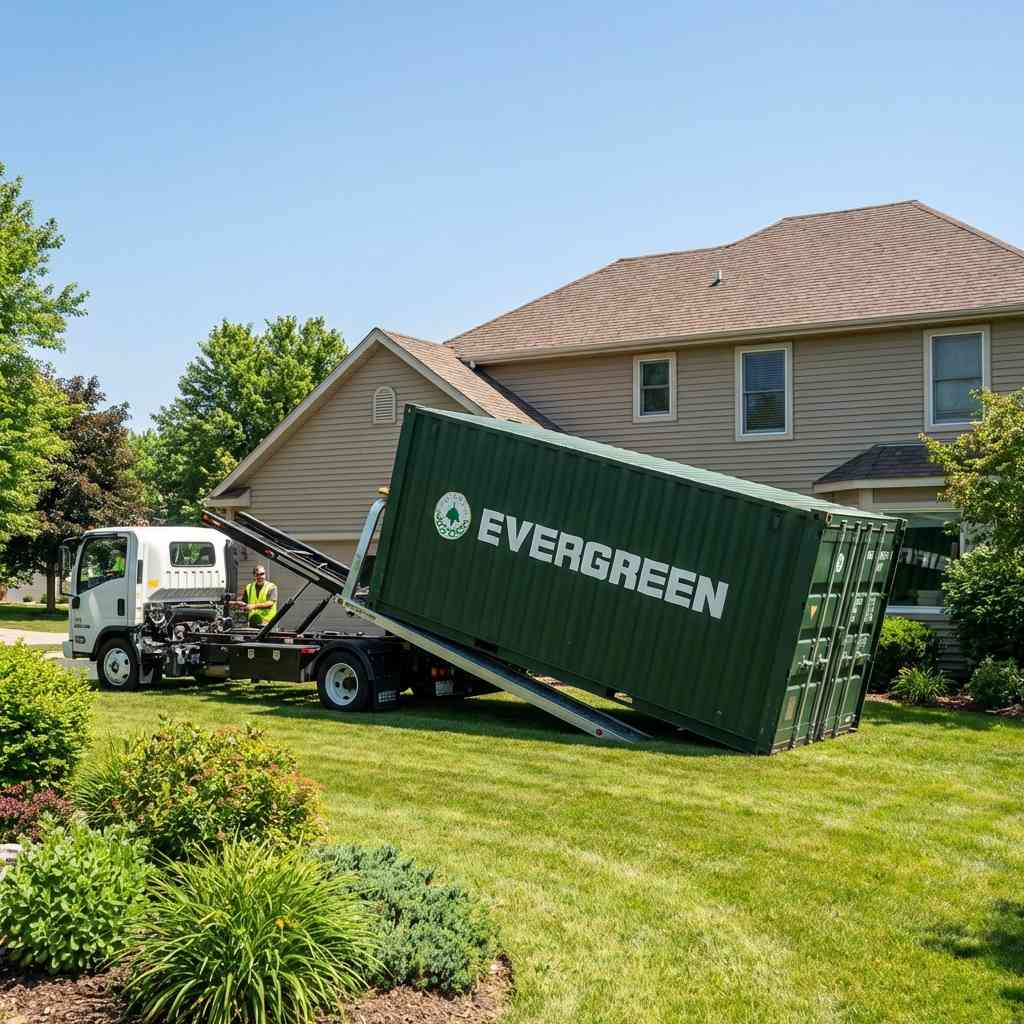
Tilt-Bed Delivery
Our most common delivery method uses specialized tilt-bed trailers that hydraulically angle to slide the container directly onto your property. This ground-level placement eliminates the need for cranes, forklifts, or other heavy equipment at your location — making it ideal for residential properties, rural sites, and anywhere without on-site machinery.
- Works with both 20-foot and 40-foot containers
- No additional equipment or labor required at your site
- Choose door orientation (facing forward or backward) at checkout
- Typically completed in under 30 minutes once positioned
Flatbed Delivery
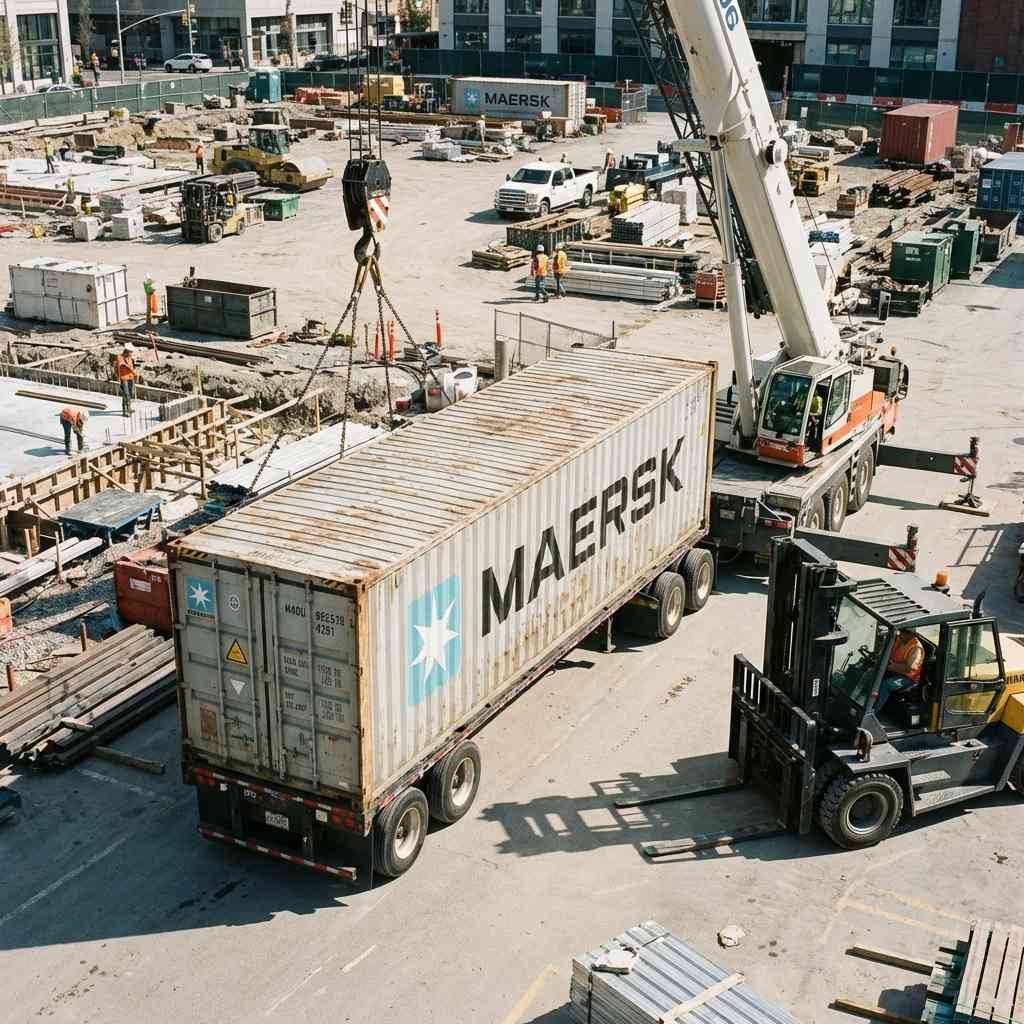
Standard flatbed trailers transport containers to locations equipped with unloading machinery. This method is commonly used at commercial facilities, construction sites, and industrial properties that already have cranes, reach stackers, or heavy forklifts available. Flatbed delivery offers more flexibility in placement since the container can be lifted and positioned precisely.
- Requires crane, forklift, or reach stacker at destination
- More precise placement options for challenging locations
- Ideal for stacking containers or elevated placement
- May have shorter lead times in some regions
Preparing Your Drop Zone
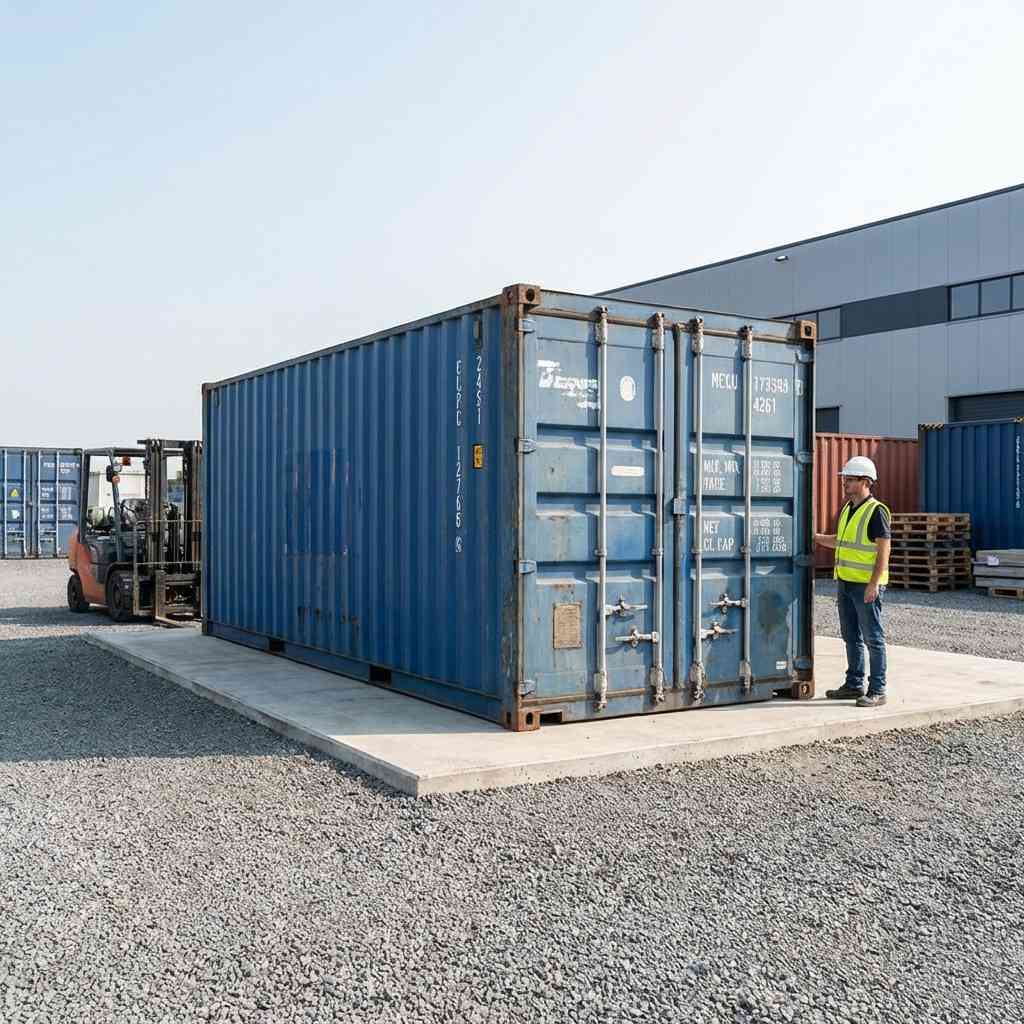
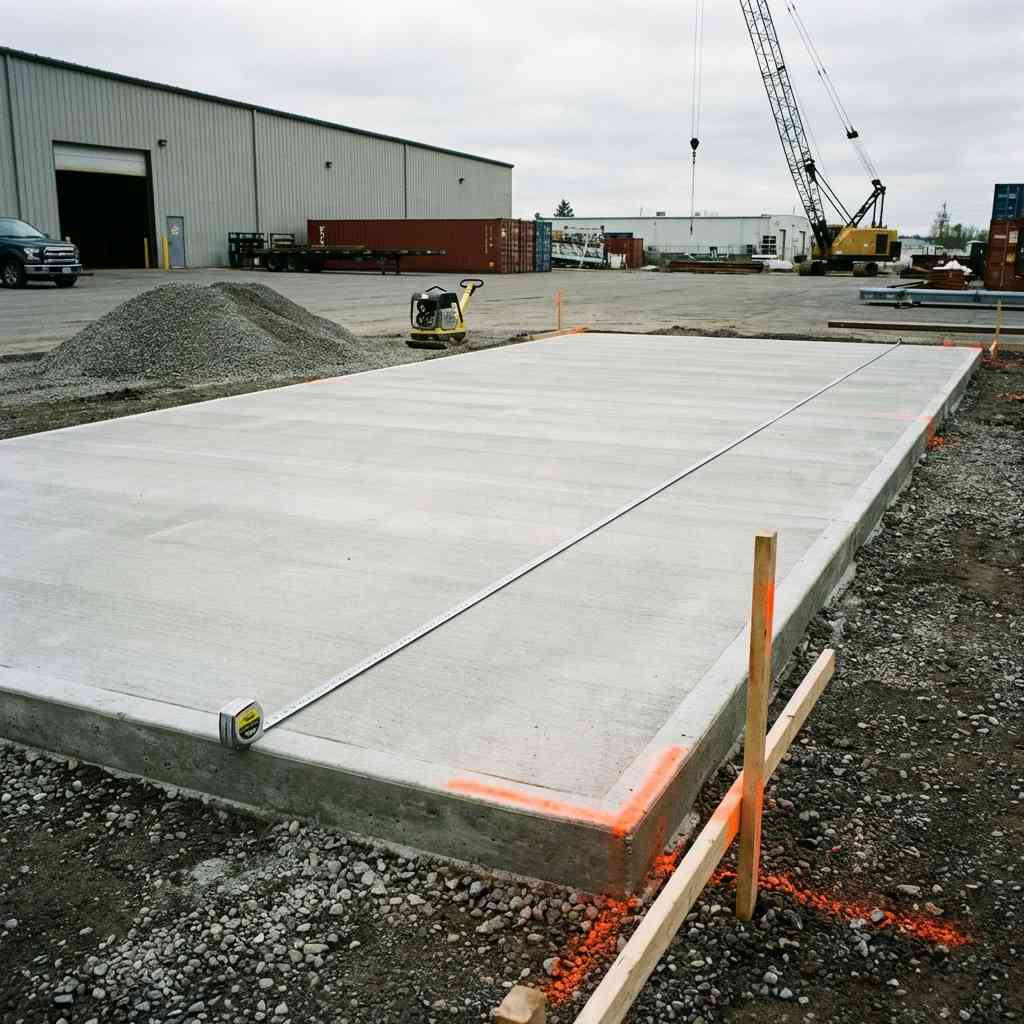
The condition of your placement site directly impacts both the delivery process and the long-term performance of your container. Taking time to properly prepare the drop zone ensures faster delivery, better drainage, and extended container life. Here's our recommended preparation checklist, based on thousands of successful deliveries.
Frequently Asked Questions
Get answers to the most common questions about container delivery.
Questions About Your Site?
Unsure if your location will work for container delivery? Our experienced team offers complimentary site evaluations. We'll review your access roads, drop zone conditions, and help you plan for a successful delivery.